Questions You’ve Raised
Recent Writing
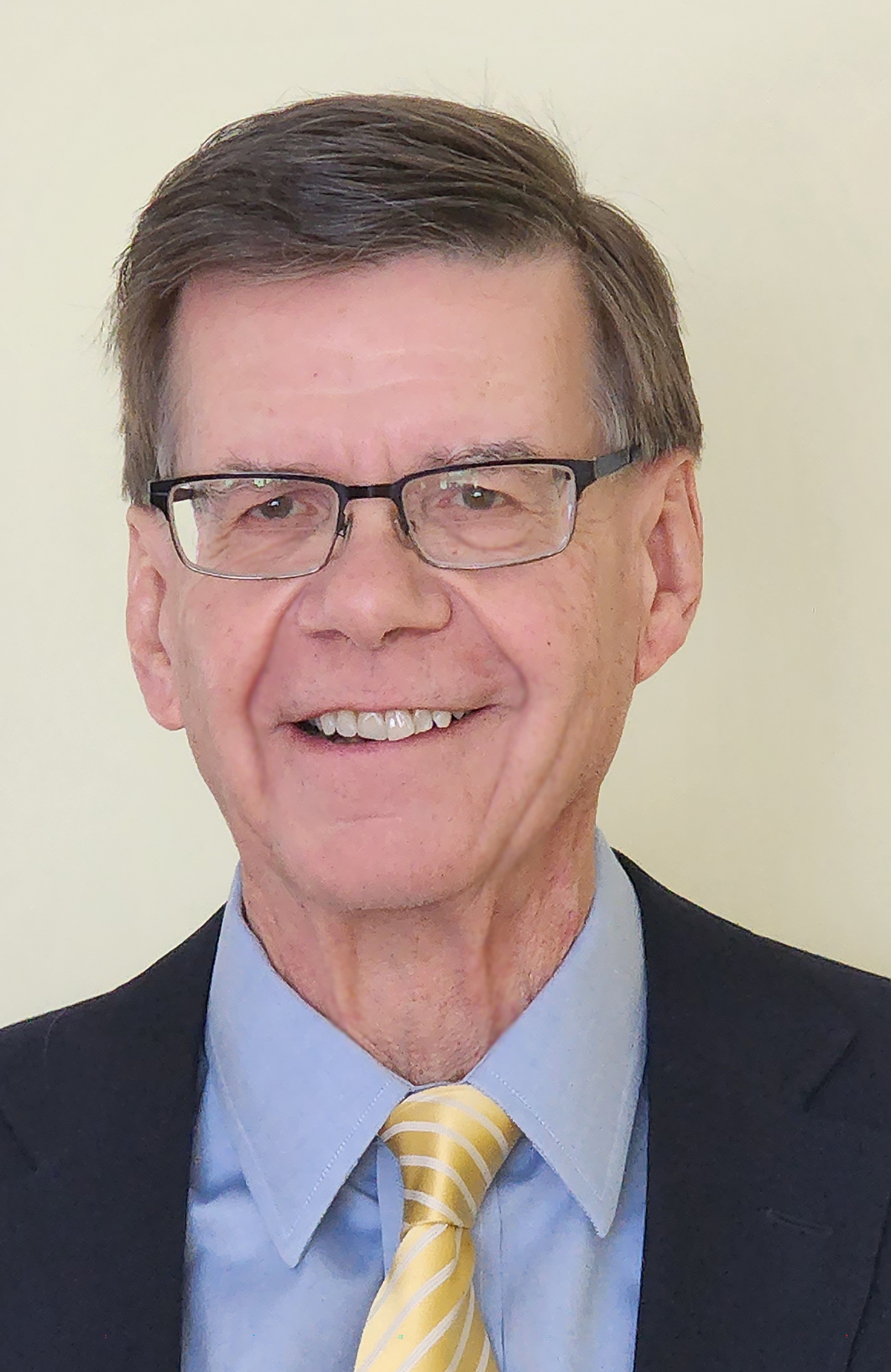
Who is Jim Pumarlo?
Community newspapers, at their best, are stewards of their communities. The news columns are a blend of stories that people like to read and stories they should read. The advertising columns promote and grow local commerce. And the editorial pages are a marketplace of ideas.
Jim Pumarlo understands that energized newspapers are at the foundation of energized communities. His message is straightforward: Community newspapers – whether delivering information in the print or on the Web – must focus on local news if they are to remain relevant to their readers and advertisers.
Click here for more info on Jim Pumarlo.
You’re welcome to reprint these columns with the appropriate tagline:
Jim Pumarlo writes, speaks and provides training on community newsroom success strategies. He is author of “Bad News and Good Judgment: A Guide to Reporting on Sensitive Issues in Small-Town Newspapers,” “Votes and Quotes: A Guide to Outstanding Election Coverage” and “Journalism Primer: A Guide to Community News Coverage.” He can be reached at www.pumarlo.com and welcomes comments and questions at jim@pumarlo.com.
Seminars
2023
March
9 – Online Media Campus
Webinar: “Business News as an Everyday Beat”
2022
September-October
Minnesota Newspaper Institute and Bethel University, St. Paul
Five-part online course to train citizen journalists
Assisted in developing curriculum, and presented session on public affairs coverage and meeting reporting
June
8 – National Newspaper Association Foundation
Webinar: “Interviewing Skills: Techniques and Improving Observation in Volatile Situations”
Co-presenter with Corey Hebner, Michigan State Police community service trooper
2-3 – Texas Center for Community Journalism, Management Boot Camp
Presenter: “Finding Time for Editorial Projects”
Presenter: “Delivering What Your Community Wants: Connecting with Your Readers”
Panel participant: “Leading the Newspaper, Leading in Your Community”
May
5 – National Newspaper Association Foundation
Webinar: “Your Role in Election Coverage: Why You should be on the Front Lines”
Co-presenter with Al Cross, director of Institute for Rural Journalism and Community Issues
19 – National Newspaper Association Foundation
Webinar: “Outstanding Election Coverage: Identifying the Elements”
Co-presenter with Al Cross, director of Institute for Rural Journalism and Community Issues
January
28 – Minnesota Newspaper Association Convention
Panel participant: “Reconnecting with Your Community”
2021
May
21 – Colorado Press Association/Kansas Press Association Joint Virtual Convention
Webinar: “Bad News and Good Judgment: A Guide to Reporting on Sensitive Issues”
February
11 – Alabama Press Association Media Summit & Winter Meeting
Webinar: “Business – an Everyday Beat”
January
15 – Wyoming Press Association Convention
Webinar: “How to make public affairs coverage relevant and timely”
2020
July
30 – New England Newspaper and Press Association
Webinar: “Covering Business News in Challenging Times”
30 – California News Publishers Association
“Finding Time for Big Editorial Projects”